

“How can you be helpful to another human being is a question I would ask you to ask yourself. Can they learn anything from you?”
- Bill Jersey (1927 - 2026)
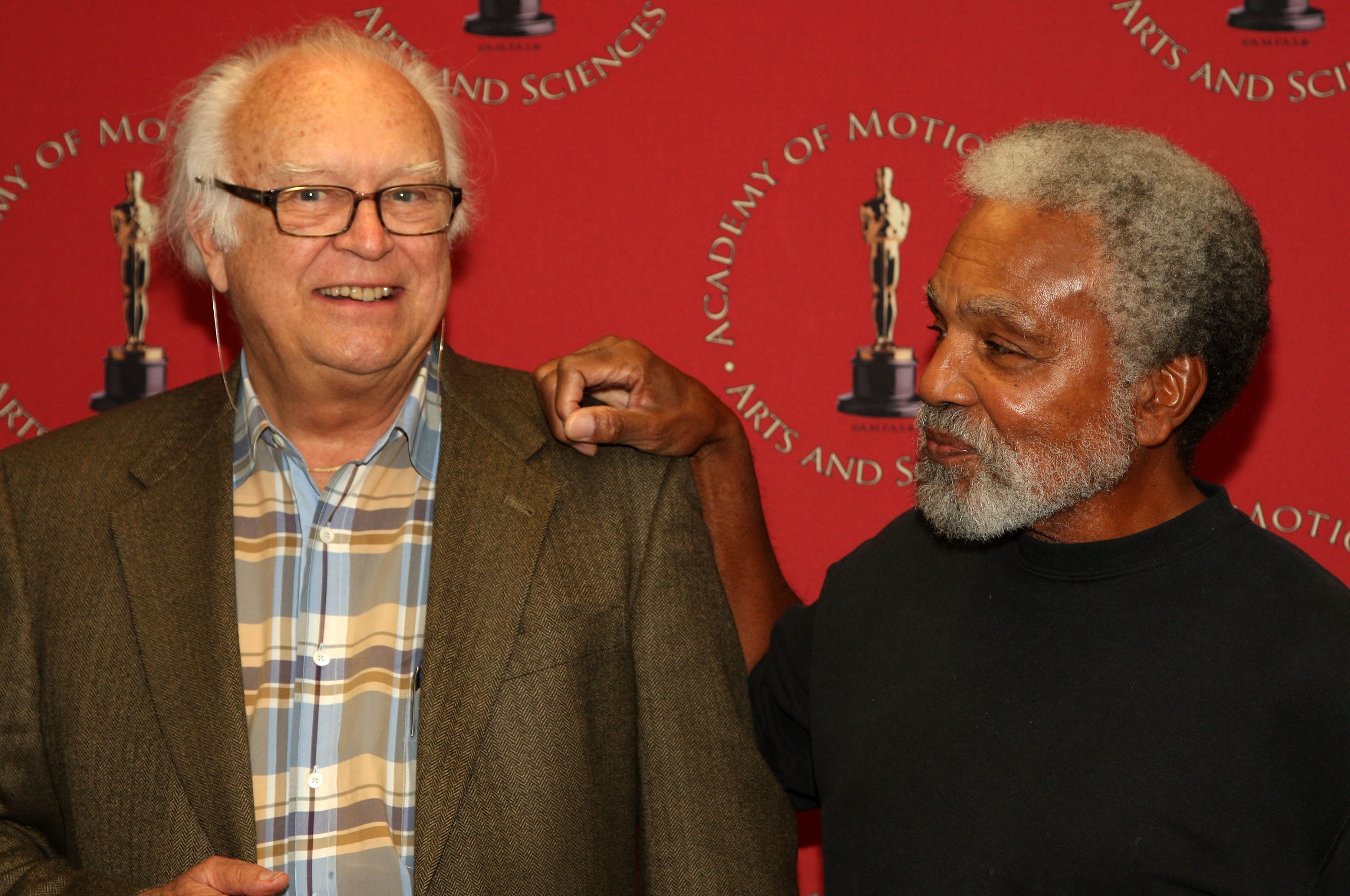
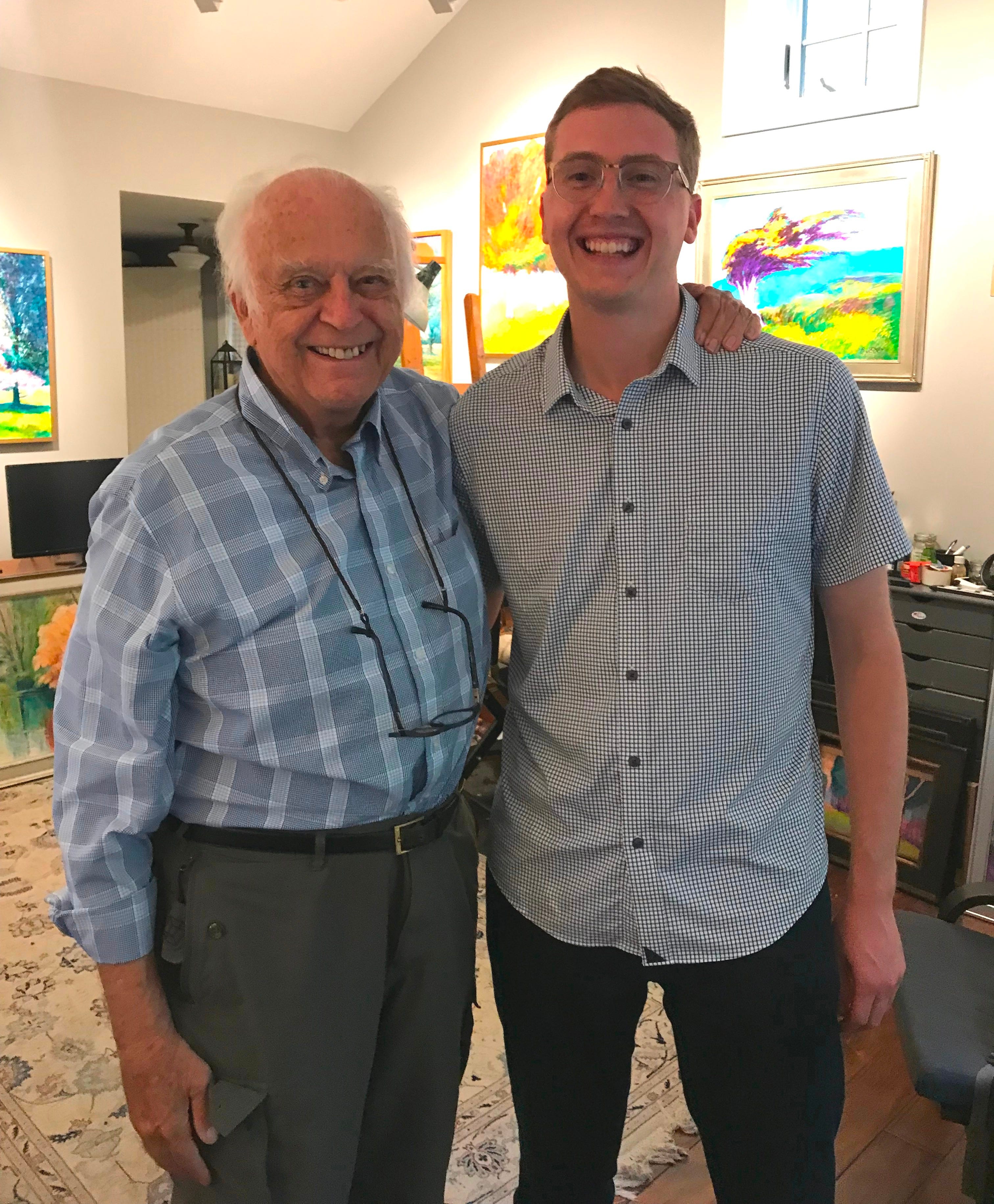
I spent one day with Bill Jersey in August of 2021 during the production of My Omaha. But that day changed the course of my film. And the insight I gained from our time together has reverberated throughout my life ever since.
So how do you pay tribute to someone who lived to be 99-years-old? A man who worked on countless films, mentored dozens of filmmakers, interviewed multiple presidents and was honored with every filmmaking award imaginable.
I was thrilled to see filmmaker Rick Goldsmith pen a beautiful tribute by collecting stories from Bill’s inner circle for the International Documentary Association. To get a sense of what it was like to work with Bill, I highly recommend it.
In this post, I’ve included my favorite excerpts from our interview. Most of them didn’t make the cut of My Omaha. But they contain words of wisdom that I often return to.
I once believed the defining trait of a good documentary was as simple as its honesty. But I now believe it’s something much more specific. Does the filmmaker see themselves for who they are? Do they see the truth not just in their story, but in their filmmaking?
Bill Jersey helped me see myself. And he leaves behind a legacy that not only survives through his films, but the powerful creative philosophy that guided him.
* * *
Before I traveled to Lambertville, N.J. to meet with Bill, I studied up on his filmography. By that point I had basically memorized his film A Time For Burning. The movie is iconic in Omaha and partly inspired my decision to become a documentary filmmaker.
The movie follows a white Lutheran minister and his unsuccessful attempt to get his church to socially engage with Omaha’s Black community. It was nominated for an Academy Award and is considered a foundational contribution to the emergence of cinema vérité filmmaking.
In 2005, it was selected for preservation by the Library of Congress. As my cinema worldview expanded, I was amazed to discover how much that film was respected outside of Omaha. And as I dived deeper into Bill’s work, I realized A Time For Burning was not an exception.
The archival-driven Super Chief, a profile on Chief Justice Earl Warren with voiceover by Gregory Peck, was also nominated for an Oscar. The Rise and Fall of Jim Crow, an episodic series co-directed with Richard Wormser, aired on PBS and won a Peabody award.
His films Manhattan Battleground, Children of Violence and Fighting Ministers are all gems that stand the test of time.
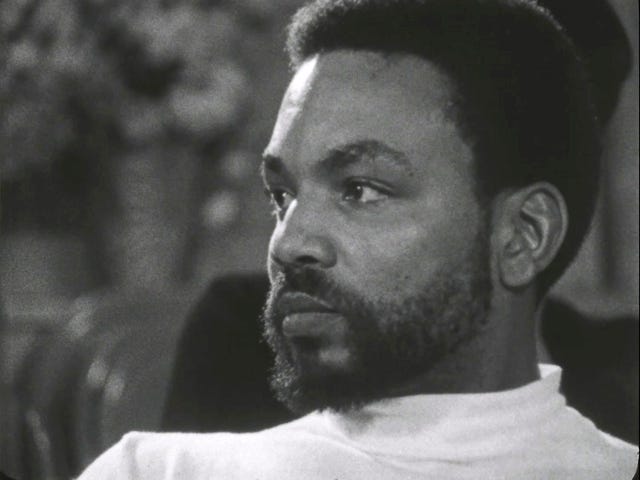
When considering Bill’s place in documentary filmmaking history, I believe it’s telling that most famous cinema vérité docs are about famous people. Primary was about John F. Kennedy. Don’t Look Back followed Bob Dylan. But A Time for Burning was about regular people. Yet it has a staying power that keeps it in the cultural conversation 60-years later.
To me, that summarizes the essence of Bill Jersey. He was a filmmaker for the people.
When I interviewed Bill, he was long retired from filmmaking and returned to his first artistic love: painting.
He painted nearly every day. And when I saw him in 2021, he had produced more than 50 works that were displayed regularly at the galleries in his area.
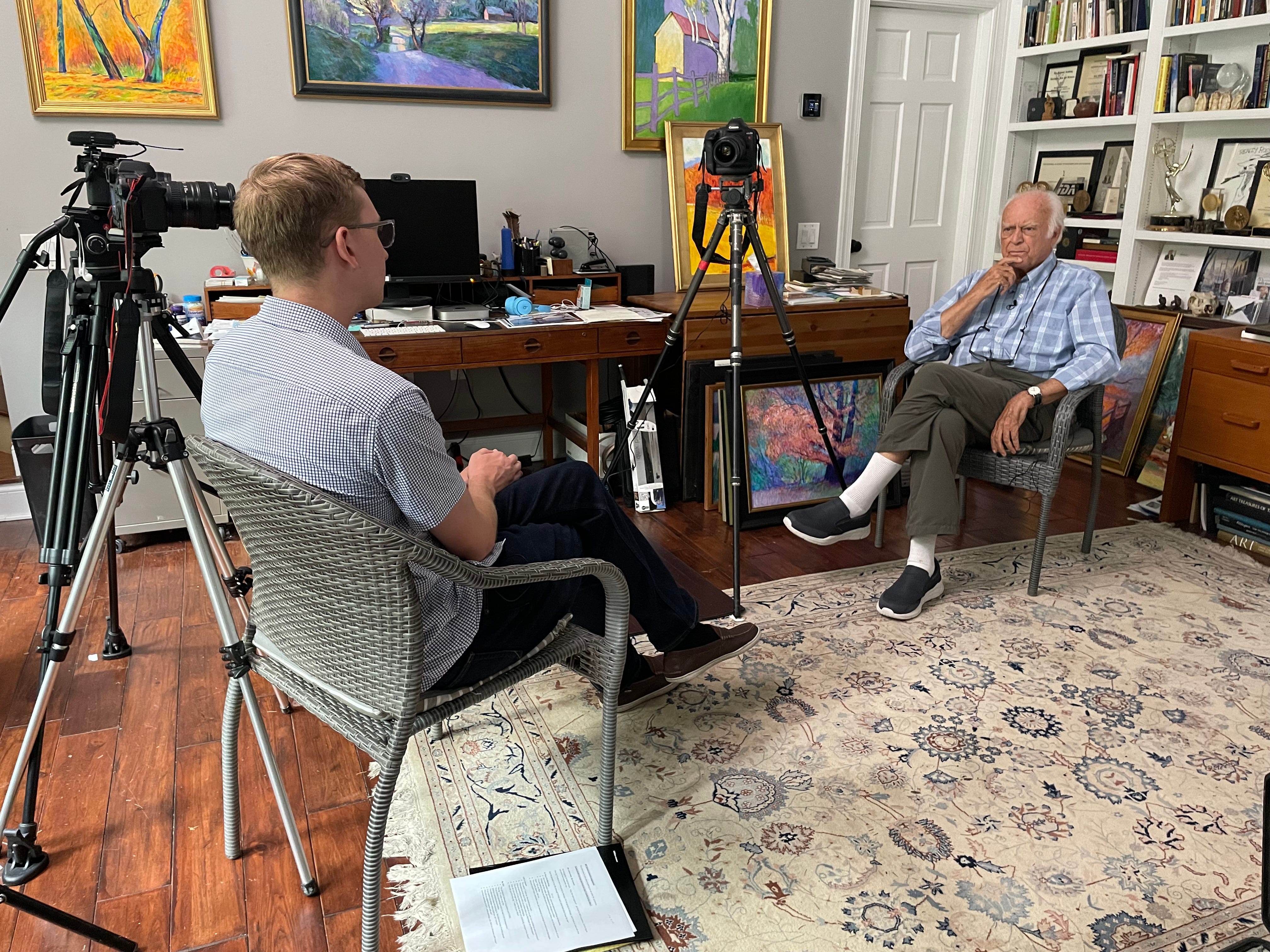
We held our interview in his home studio surrounded by bright, beautiful landscapes. While we spent a lot of time talking about A Time For Burning – and my work-in-progress movie – Bill offered a perspective that often times went all the way back to his childhood.
He grew up in a fundamentalist Christian environment steeped in a culture of repression that was not easy to leave. It’s an origin story that contributed to Bill’s curiosity and open-mindedness.
In A Time For Burning, Bill captures the fears and struggles at Augusta Lutheran Church so successfully because he understand them. He had the instincts to know that what they were going through was a story worth telling.
When reflecting on the making of that film – in a line we use in My Omaha – Bill said:
“I was trying to help them understand who they were and what they were doing. What they did with that is their business. I don’t ever feel obliged to change people from what they are, but I do feel some obligation to help people to see who they are and what they are doing.”
Bill’s filmmaking was not only an act of public service, but an act of faith. He often said that he never made a film with a script. Bill – like his subjects – was taking a risk. He didn’t know what was going to happen and that’s what made his films riveting. That’s what made them pure.
So often Bill’s participants, in their own pursuits, mirror Bill’s stoic commitment. There is a spiritual symmetry between his methods and their actions. The people in Bill’s films are seeking their truth just as he seeks his.
To summarize it, he was driven to document life’s “universal issues.”
This interview he did with PBS POV speaking about Fighting Ministers revealed how he thought of his filmmaking:
“I don’t think a documentarian goes out to make a movie. We go out to find a truth that needs to be heard. And that’s why it’s not as popular as escapists…Our job is not to change the world, it’s to provide the options for change.”
While so many of the people in his films don’t get what they want, so much clarity is found in the failures that he documented.
When speaking about the timeless message of A Time For Burning in this episode of DocTalk, Bill said the following:
“Unless we are willing to take positive action in the presence of our fears, we won’t bring about change. The good news is, we can take positive action in the presence of our fears.”
All that idealism and virtue is great, but one does not have a career like Bill’s without possessing the duality of a realist.
And as a professional, he was as tough as they come. As seen throughout the stories collected by IDA, he could be quite demanding and intimidating.
So even at 94-years-old, he kept me on my toes.
At one point in our interview, Bill asked me why I was making my film. My first answer was a generic reply about “making a difference.” I saw a grin come across his face. So I cut myself short and simply said: “because I want to do it.”
He replied:
“That’s the better answer. The first answer sounds very noble, but it’s not convincing. The second answer – that’s the good answer. And that’s what makes it worth doing. That’s the only thing that makes it worth it.”
So how does one hold these contradictions together? I believe that Bill thought documentary filmmaking should marry passion and purpose together. It was mature advice for a first-time filmmaker like myself walking the tightrope of making a personal film.
Sometimes I get depressed wondering if Bill’s method of filmmaking is going extinct. In the marketplace of documentary consumption, it’s not a promising landscape.
But I’m getting tired of dwelling on this perceived decline. Every art form can make a comparable claim in these times. But documentary remains vital because humans will always need to see themselves in a mirror. Not just an imaginative reflection, but an actual one.
Has that ever felt more important?
I don’t see any technological evolution that changes this. Not that it makes the prospects of making a film any easier.
But striving to do it anyways is the point. And it always has been.
“Here’s the bad news, you ready for it? You’re never going to find the truth. But in the process of pursuing truth you become a better person. It’s not about finding it. It’s about seeking it. It’s the seekers that discover life worth living.”
* * *
In 2024, I moved from Omaha to New York City and finished post-production on My Omaha within my first month in town. After eight years, I couldn’t believe it actually happened.
One of the first things I did was contact Bill and his spouse Shirley Kessler to arrange a viewing back in Lambertville, a 1.5 hr drive from my new apartment.
He insisted that we schedule it on a day when he was meeting with his men’s group, a long-running practice he kept of gathering with men of all ages to discuss the issues of their lives. It was the perfect setting for this movie.
When we got to Bill’s part in the film – when the visual on screen showed the exact same room in which we were all sitting – I looked to Bill and saw a smile on his face. There were no words that could have meant more than seeing that expression.
The passionate conversation that came alive from the group afterward was icing on the cake and a very welcoming sign for the impact potential of our film.
As I drove back to Brooklyn, still in transition from my old life to my new beginning, I was processing all of the things that had led up to that moment. The filmmaking journey that started in Omaha and led me to Lambertville.
“The journey is invigorating. It’s a little terrifying at times. It’s a little disconcerting. It’s a little disappointing. It’s a little frustrating. But it’s also rewarding because you realized it’s possible. ‘I can do this. I can struggle. I can seek. I can pursue. I can be authentic. I can risk.’ You’re making this film as a risk. Nobody, in their right mind thinks that making a film is a successful way to do anything in life. But in spite of yourself and in spite of the conditions that surround you, you probably will finish this film and it probably will get seen and you may be surprised – like I was surprised – that you know what? People think it helped them. You allowed them to understand themselves in a new way.”
-Bill Jersey
Thank you for helping me, Bill.
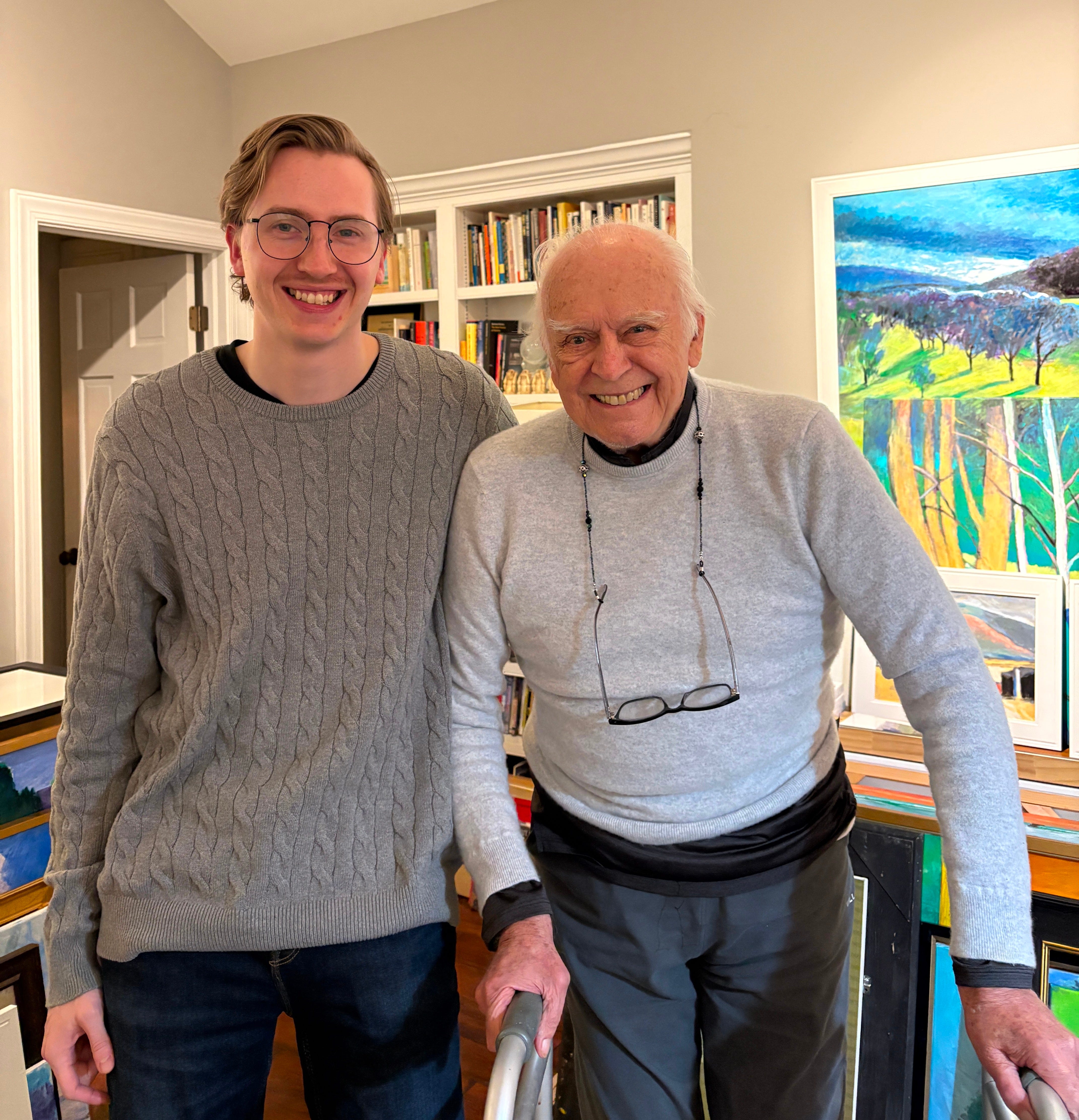
You can see Bill Jersey in My Omaha, premiering on Independent Lens October 5th.
Thanks so much for sharing this Nick. I got very emotional reading this. Especially his quotes. I can't articulate more right now. Just thanks
Beautifully said, Nick.